Source High Performance PE Pickleball for Training, Competition, and Entertainment
Compare 30 high performance PE pickleball options from verified Chinese manufacturers. Buyers can evaluate specifications like hole count, size, and material to find suitable balls for training, competition, and entertainment; compare the available evidence and request quotations based on your requirements.
Key considerations
Products List


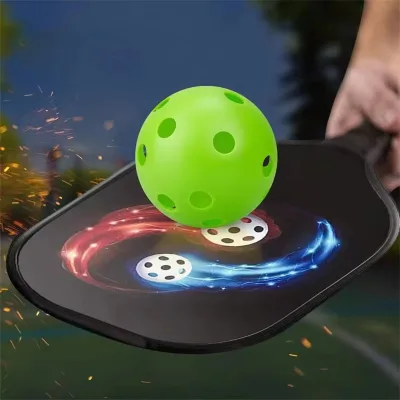


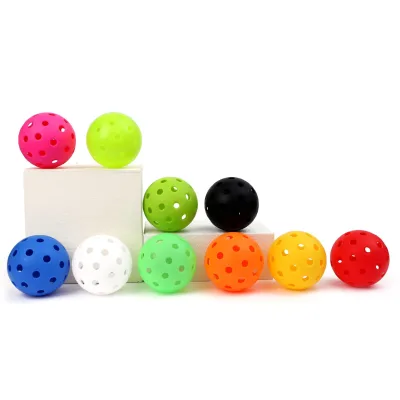

Comprehensive Sourcing Guide
High Performance PE Pickleball Sourcing Guide
Sourcing high-performance polyethylene (PE) pickleballs requires a disciplined approach to material verification and manufacturing consistency. The core keyword highlights a specific material class known for durability and consistent flight characteristics, which distinguishes it from lower-grade alternatives. Buyers must prioritize suppliers who explicitly state the use of LDPE or similar PE variants, as this directly impacts the ball’s resilience and surface friction. The observed market data indicates a strong presence of manufacturers in China, particularly in Zhejiang, Jiangsu, and Anhui provinces, offering a wide range of models such as PKB-7026 and WR-250307-2. Understanding these regional hubs helps in assessing logistics and supply chain stability.
Procurement decisions should also account for the diverse target audiences, ranging from youth and children to professional players. This diversity necessitates strict adherence to size and weight specifications, typically centered around 74mm diameter and 25-26g weight. The presence of 40-hole designs is a common technical feature observed in listings, which influences aerodynamic stability. Buyers need to ensure that the selected PE material maintains its structural integrity under repeated impact, a critical factor for competition-grade equipment. By focusing on these material and dimensional fundamentals, buyers can mitigate risks associated with inconsistent product performance and premature wear.
Product Scope and Observed Listing Signals
The current market landscape for PE pickleballs reveals a broad spectrum of product configurations tailored to different usage scenarios. Listings frequently highlight attributes such as bright colors, including green and blue options, which enhance visibility during play. The target audience spans all age groups, from children to professional athletes, indicating that the product scope is not limited to a single niche. Manufacturers often emphasize characteristics like long service life and good flight stability, which are critical for both training and competitive environments. These signals suggest that buyers should look for products that balance durability with precise aerodynamic performance, ensuring consistent behavior across various playing conditions.
Observed listing details also point to significant variability in packaging and customization options. Products are commonly packed in export cartons, with quantities ranging from 48 pieces per box to 300 pieces per polybag. Customization is widely available, including logo printing and tailored packaging solutions, which is essential for brands seeking to establish a distinct market presence. The presence of multiple model numbers, such as PKB-4026 and PKB-7040, suggests that suppliers offer differentiated product lines. Buyers should carefully review these listing signals to align their procurement strategy with their specific brand requirements and target market expectations, ensuring that the selected products meet both functional and commercial goals.
Technical Specifications to Verify
Verifying technical specifications is paramount to ensuring that the purchased PE pickleballs meet performance expectations. The standard diameter for competition-grade balls is typically 74mm, though some listings mention sizes ranging from 42mm to 90mm, which may refer to different product types or packaging dimensions. Buyers must confirm that the selected balls adhere to the 74mm standard for official play. Additionally, the weight should be verified to fall within the 25-26g range, as deviations can significantly affect flight stability and bounce consistency. The number of holes, often 40, is a critical design feature that influences aerodynamics; buyers should ensure that the hole pattern is uniform and precisely engineered to maintain good surface friction performance.
Material composition is another vital specification to verify. While the core keyword specifies PE, buyers should confirm whether the material is LDPE or a specific plastic blend, as this affects durability and feel. The observed data indicates that materials like LDPE are used, which are known for their resilience. Buyers should also check the packing specifications, such as 100 pieces per OPP bag or 300 pieces per export carton, to ensure that the packaging protects the balls during transit. Verifying these technical details helps prevent discrepancies between ordered and delivered goods, ensuring that the products perform as expected in both training and competitive settings.
Compliance and Safety Documentation
Compliance and safety documentation are essential for ensuring that PE pickleballs meet international standards and regulatory requirements. Buyers should request certificates of conformity that verify the materials used are free from harmful substances, particularly since the balls are used by children and professional players alike. Although specific certification statuses are not provided in the observed data, buyers must proactively seek documentation that confirms adherence to relevant safety standards for sports equipment. This includes verifying that the PE material does not contain lead, phthalates, or other hazardous chemicals that could pose health risks during prolonged use.
Additionally, buyers should ensure that the products comply with any regional import regulations, particularly if sourcing from China. Documentation should include details on manufacturing processes and quality control measures that guarantee product consistency. While specific test results are not listed, buyers should ask for evidence of performance testing, such as bounce height and durability tests, to validate the claims of long service life and good flight stability. Ensuring that suppliers provide comprehensive compliance documentation helps mitigate legal and safety risks, protecting both the buyer and the end-users from potential liabilities associated with non-compliant sports equipment.
Cost Drivers and Commercial Terms
Cost drivers for high-performance PE pickleballs include material quality, manufacturing complexity, and order volume. The observed MOQ ranges from 300 to 3000 pieces, indicating that larger orders may yield better unit prices due to economies of scale. Buyers should negotiate terms that align with their inventory needs, considering that customization options like logo printing may incur additional costs. The price range observed is relatively low, suggesting that competitive pricing is available, but buyers must balance cost with quality to avoid compromising on performance. Understanding these cost drivers helps in budgeting effectively and selecting suppliers who offer the best value for money.
Commercial terms also encompass packaging and logistics, which can significantly impact the total cost of ownership. Products are packed in various configurations, from export cartons to individual OPP bags, each with different shipping efficiencies. Buyers should consider the dimensions and weight of the packaging, such as 584747cm for export cartons, to optimize freight costs. Additionally, lead times and payment terms should be clearly defined in contracts to avoid delays and financial uncertainties. By carefully evaluating these commercial terms, buyers can secure favorable agreements that support their operational efficiency and profitability in the sports equipment market.
Supplier Qualification and Quality Control
Supplier qualification is a critical step in ensuring the reliability and consistency of PE pickleball supplies. Buyers should assess suppliers based on their manufacturing capabilities, quality control processes, and track record in the industry. The observed data indicates that suppliers are located in key manufacturing hubs like Ningbo, Jiangsu, and Anhui, which are known for their production expertise. Buyers should verify the supplier’s ability to maintain consistent quality across batches, particularly for features like hole uniformity and material density. Requesting samples and conducting independent testing can help validate the supplier’s claims regarding durability and flight stability.
Quality control measures should include regular inspections of raw materials, production processes, and finished products. Buyers should inquire about the supplier’s QC protocols, such as statistical process control and final random inspections, to ensure that products meet specified standards. Additionally, suppliers should be able to provide evidence of their commitment to continuous improvement and customer satisfaction. By thoroughly evaluating supplier qualifications and quality control practices, buyers can establish a robust supply chain that minimizes risks and ensures the delivery of high-performance PE pickleballs that meet their exacting standards.
Long-Term Procurement Checks
Long-term procurement checks involve ongoing monitoring of supplier performance and product quality to ensure sustained value. Buyers should establish key performance indicators (KPIs) such as defect rates, delivery times, and customer feedback to evaluate supplier reliability. Regular audits and periodic re-testing of products can help identify any deviations in quality or performance over time. This proactive approach allows buyers to address issues promptly and maintain high standards for their PE pickleball inventory. Additionally, staying informed about industry trends and technological advancements can help buyers make informed decisions about product upgrades or supplier changes.
Building strong relationships with suppliers is also crucial for long-term success. Buyers should engage in open communication, providing feedback on product performance and discussing potential improvements. Collaborative efforts can lead to better product designs and more efficient supply chain operations. Furthermore, buyers should diversify their supplier base to mitigate risks associated with single-source dependencies. By implementing comprehensive long-term procurement checks, buyers can ensure a stable and reliable supply of high-performance PE pickleballs, supporting their business growth and customer satisfaction in the competitive sports equipment market.
FAQs
What materials are used for high performance PE pickleball balls?
These balls are manufactured using LDPE or Plastic/PE materials to ensure durability and consistent performance. The injection molding process creates a robust shell that withstands repeated impacts during competition and training sessions for all age groups.
Which hole configurations are available for these pickleball balls?
The product line offers 8, 26, and 40 hole configurations to suit different playing conditions. The 40-hole design is specifically highlighted for its good flight stability and surface friction performance, making it ideal for professional players and youth training.
Can buyers request customized logos on these pickleball balls?
Yes, customized logo printing is available for bulk orders to meet specific branding needs. This customization option allows businesses to create unique products while maintaining the high performance standards required for competition and entertainment use cases.
What is the standard size for these injection molded pickleball balls?
The standard diameter is 74mm, which aligns with the 2.9-inch specification for competitive play. Some models also support sizes of 72mm or 42mm, ensuring versatility for different court surfaces and player preferences across the global market.
How are these high performance balls packaged for export?
Packaging options include export cartons, OPP bags, or polybags depending on the order quantity. Common configurations involve 48 pieces per box or 300 pieces per polybag, ensuring safe transport and organized storage for distributors and retailers worldwide.
What is the minimum order quantity for these PE pickleball balls?
The minimum order quantity varies between 300 and 3000 pieces based on the specific model and customization requirements. Buyers should verify the exact MOQ for their selected product model to ensure efficient procurement and cost-effective bulk purchasing.
Where are these high performance pickleball balls manufactured?
Manufacturing takes place in several Chinese provinces including Ningbo, Jiangsu, and Anhui. These locations provide established supply chains for producing durable balls that meet international standards for weight, size, and flight stability in various sports environments.